 fff054ea17
When using this package, `ucan.Token` reads better than `ucan.UCAN` to me.
Encourages the reader to think in terms of "tokens", from the "ucan" package.

Performed this refactoring with a  few commands (and a few comment edits):
  $ gofmt -r 'UCAN -> Token' -w .
  $ gofmt -r 'NewAttenuatedUCAN -> NewAttenuatedToken' -w .
  $ gofmt -r 'NewOriginUCAN -> NewOriginToken' -w .
  $ gofmt -r 'UCANParser -> TokenParser' -w .
  $ gofmt -r 'NewUCANParser -> NewTokenParser' -w .
  $ gofmt -r 'UCANCtxKey -> TokenCtxKey' -w .

Changed example test "ExampleWalkthrough" to "Example" to make go vet happy

BREAKING CHANGE:
UCAN symbol is now "Token"
UCAN Tokens in Go
Under Heavy Construction, an initial implementation of UCAN tokens from fission
About UCAN Tokens
User Controlled Authorization Networks (UCANs) are a way of doing authorization where users are fully in control. OAuth is designed for a centralized world, UCAN is the distributed user controlled version.
UCAN Gopher
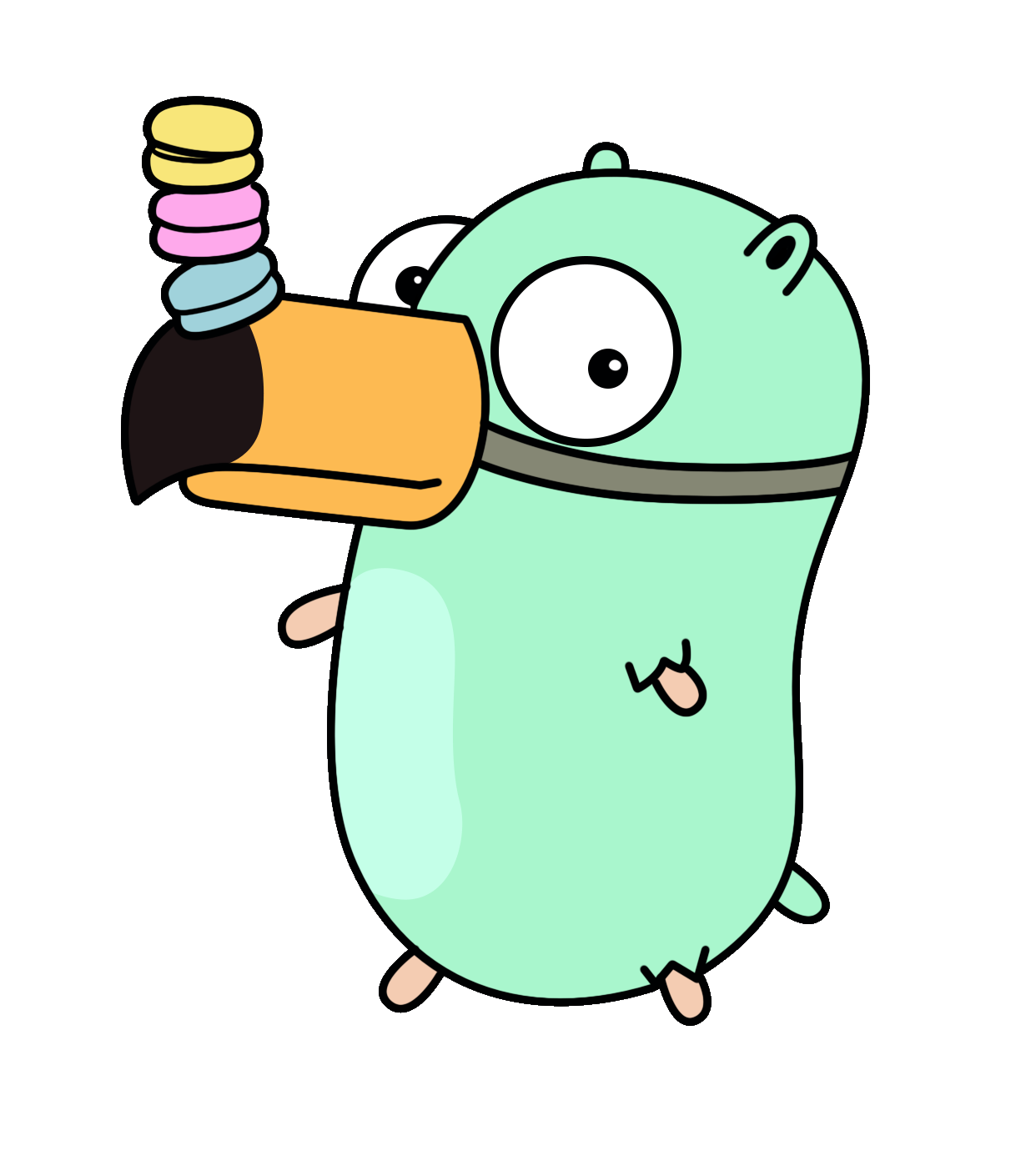
Artwork by Bruno Monts. Thank you Renee French for creating the Go Gopher